
Top-Rated Products for Parking Lot Repavements to Maximize Safety and Longevity
Learn about essential products that help create safer, more durable parking surfaces with minimal maintenance needs.
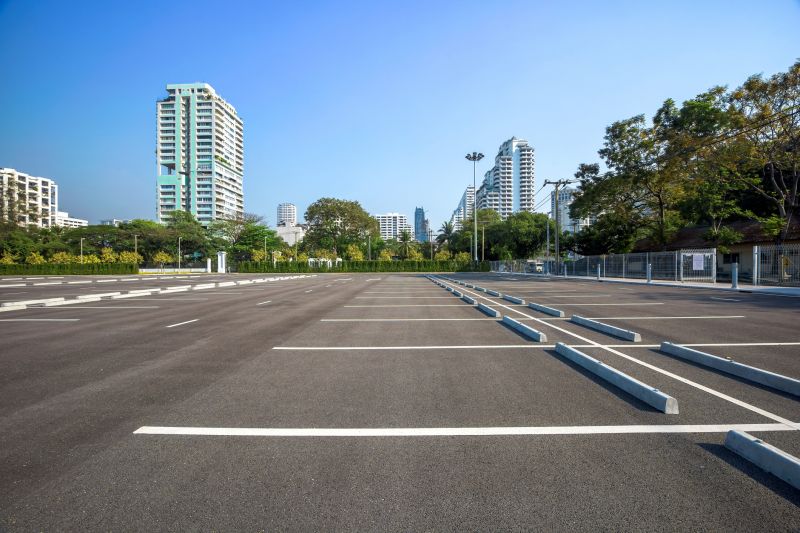 Parking lot repavements are essential for maintaining the safety, functionality, and appearance of commercial and public spaces. The selection of appropriate products for repaving projects depends on various factors including the existing surface condition, traffic load, and budget considerations. Commonly used materials include asphalt, concrete, and various overlays, each offering different benefits and installation requirements. Proper preparation and the right materials can extend the lifespan of a parking lot and improve its overall usability.
Top Overall Option
Premium Asphalt Mix
A high-quality asphalt mix designed for durability and ease of installation, suitable for large-scale parking lot repaving projects. It offers consistent performance and a smooth surface finish, helping to create a stable and long-lasting pavement. Properly applied, it can withstand heavy traffic and resist common issues such as cracking and potholing.
Types of Products For Parking Lot Repavements
Asphalt Hot Mix
A versatile asphalt product used for resurfacing and patching, providing a smooth and durable surface.
Concrete Paving
Concrete slabs and overlays for long-lasting parking surfaces with minimal maintenance needs.
Seal Coats
Protective coatings applied over asphalt to seal cracks and prevent water infiltration.
Crack Fillers
Materials used to fill and seal cracks, preventing water damage and further deterioration.
Parking Lot Overlays
Thin layers of asphalt or concrete applied over existing surfaces to improve appearance and performance.
Pothole Repair Materials
Specialized compounds for quick and effective pothole patching.
Line Striping Paint
Paints used for marking parking spaces, directional arrows, and other signage.
Drainage Solutions
Products designed to improve water runoff and prevent pooling issues.
Edge Restraints
Materials used to contain pavement and prevent edge crumbling.
Surface Texturing Products
Materials that provide slip resistance and improve traction on parking surfaces.
Reflective Pavement Markers
Markers that enhance visibility of parking lot markings at night.
Base Stabilizers
Materials used to reinforce the sub-base for improved pavement stability.
Reinforcing Mesh
Metal or plastic mesh embedded in overlays to prevent cracking and improve strength.
Pavement Sealants
Protective coatings that extend the life of asphalt surfaces.
Expansion Joint Materials
Materials that accommodate movement and prevent cracking in concrete surfaces.
Popular Choices
A convenient solution for quick pothole repairs with minimal equipment.
A thin layer of concrete used to restore worn or damaged surfaces.
High-visibility paint for marking parking spaces and traffic lanes.
Pre-mixed materials for sealing cracks easily and efficiently.
Spray-on sealants that provide a protective layer over asphalt surfaces.
Pre-fabricated asphalt overlays for quick resurfacing projects.
Durable tape for quick and clean parking space markings.
Drainage components that help manage water runoff effectively.
Precast blocks used to define pavement edges and prevent crumbling.
Products designed to improve traction on parking lot surfaces.
Markers that improve visibility of parking lines at night.
Materials that enhance the stability of the underlying soil or gravel.
Mesh layers used to reinforce overlays and prevent cracking.
When undertaking a parking lot renovation, selecting durable and suitable products is crucial. Asphalt mixtures are popular for their ease of installation and cost-effectiveness, making them ideal for large-scale resurfacing projects. Concrete options provide a longer-lasting surface with minimal maintenance but may involve higher upfront costs. Overlay materials and sealants can also be applied to enhance surface durability, reduce cracking, and improve weather resistance. Ensuring compatibility between existing pavement and new materials is essential for optimal results.
Maintenance products like crack fillers, seal coats, and patching compounds play a vital role in extending the life of repaved surfaces. Regular inspections and timely repairs can prevent minor issues from escalating into major problems, ultimately saving on long-term costs. When selecting products, it’s important to consider the specific needs of the parking lot, including load capacity, climate conditions, and traffic patterns. Consulting with professionals or suppliers can help identify the most suitable solutions for each project.
Overall, a well-planned approach using the right products can significantly enhance the safety, appearance, and longevity of parking lot surfaces. Whether it’s a complete overhaul or routine maintenance, choosing quality materials and understanding their application can lead to more successful and cost-effective repaving projects.
Key Buying Considerations
- Compatibility with existing pavement material and condition.
- Traffic load capacity and durability requirements.
- Climate and weather conditions affecting material performance.
- Ease of installation and required equipment or expertise.
- Long-term maintenance needs and costs.
- Surface finish and slip resistance properties.
- Water drainage and runoff management features.
- Compatibility with existing markings and signage.
- Cost-effectiveness over the lifespan of the pavement.
- Availability of products and supplier support.
- Environmental conditions such as temperature fluctuations.
- Potential for future expansion or modifications.
- Compliance with local regulations or standards.
- Impact on existing landscaping or infrastructure.
- Time required for installation and curing processes.
This page contains affiliate links. We may earn a commission if you purchase through these links, which helps support our content creation.